


The Importance of Music Sheet Paper for Musicians
Updated: Dec 9, 2025
When I first started composing music, I quickly realized how essential the right kind of paper was. It’s not just any paper—it’s music sheet paper. This special paper helps musicians, composers, and students bring their ideas to life. Whether you’re jotting down a melody, arranging a piece, or teaching someone to read music, having the right paper makes all the difference.
If you’ve ever wondered why musicians prefer specific paper for their work, or how it can improve your practice and creativity, you’re in the right place. Let’s dive into the world of music sheet paper and explore its many uses and benefits.
What Are the Uses of Music Sheet Paper?
Music sheet paper is designed with printed staff lines, which are the foundation for writing musical notes and symbols. But why is this so important? Here are some key uses that make this paper a must-have for anyone involved in music:
Composing and Arranging: When you have a melody in your head, you need a place to write it down quickly. Music sheet paper provides the structure to capture your ideas clearly.
Practice and Learning: Students use it to write exercises, scales, or transcribe pieces they are learning. It helps reinforce reading and writing music skills.
Teaching: Teachers can create custom exercises or examples tailored to their students’ needs.
Performance Preparation: Musicians often write notes or reminders on their sheets to guide them during rehearsals or performances.
Archiving: Keeping a physical record of your compositions or arrangements is easier and more organized with dedicated music paper.
Using the right paper can boost your productivity and creativity. It’s not just about having lines on a page—it’s about having a tool that supports your musical journey.
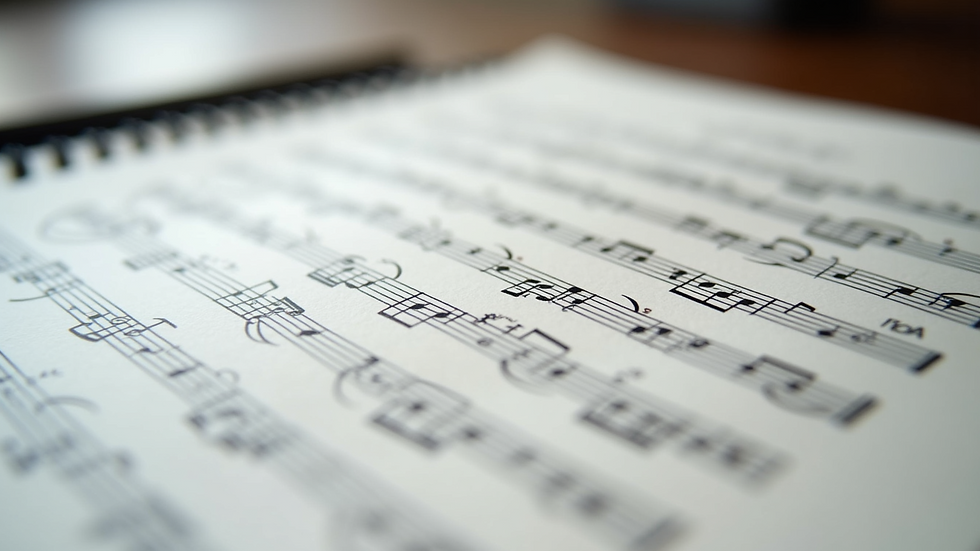
What Are Music Sheets Called?
You might hear different terms when people talk about music sheets. The most common name is sheet music. This refers to the printed or handwritten music notation that musicians read to perform a piece. But before music becomes sheet music, it often starts on music sheet paper.
Here’s a quick breakdown:
Sheet Music: The final product, usually printed or copied, that musicians use to perform.
Music Manuscript Paper: Another name for music sheet paper, emphasizing its use for writing music by hand.
Staff Paper: Refers to the paper with the five-line staff printed on it, ready for notation.
Understanding these terms helps when you’re searching for the right materials or resources. If you want to write your own music, you’ll need music manuscript paper or staff paper to get started.

Why Quality Music Paper Matters
Not all paper is created equal, especially when it comes to music. The quality of your music paper can affect your writing experience and the clarity of your compositions. Here’s why investing in good music paper is worth it:
Clear Staff Lines: Crisp, evenly spaced lines make it easier to write and read notes.
Durability: Thick, high-quality paper withstands erasing and rewriting without tearing.
Size and Layout Options: Different projects might need different formats—some prefer large sheets for orchestral scores, others smaller for quick sketches.
Ink Compatibility: Good paper prevents ink from bleeding, keeping your work neat.
When I switched to premium music paper, I noticed my compositions looked cleaner and were easier to share with others. It’s a small change that makes a big difference.
If you want to explore some excellent options, check out this music paper that offers a variety of sizes and formats tailored for musicians.
How to Choose the Right Music Sheet Paper for Your Needs
Choosing the right music sheet paper depends on what you plan to do with it. Here are some tips to help you pick the best one:
Consider Your Instrument or Ensemble
Solo instruments might only need a few staves per page.
Larger ensembles or orchestras require more staves and bigger pages.
Think About Your Writing Style
If you write quickly or make lots of changes, thicker paper is better.
For neat, final copies, smooth paper with fine lines works well.
Decide on Size
Standard letter size (8.5 x 11 inches) is common and easy to store.
Larger sizes give more space but can be cumbersome.
Look for Pre-Printed vs. Blank
Pre-printed staff lines save time.
Blank paper lets you customize spacing if needed.
Budget
Quality music paper doesn’t have to be expensive.
Buying in bulk often reduces cost per sheet.
By matching your paper to your needs, you’ll find writing music becomes smoother and more enjoyable.

Tips for Using Music Sheet Paper Effectively
Once you have your music sheet paper, how do you make the most of it? Here are some practical tips:
Use a Pencil First: Always start with pencil so you can erase mistakes easily.
Keep It Organized: Number your pages and date your compositions to track progress.
Write Clearly: Use standard notation symbols and keep your notes legible.
Add Annotations: Mark dynamics, tempo, and expression to guide performers.
Store Properly: Keep your sheets flat and dry to avoid damage.
These habits help you maintain a professional and useful collection of your musical ideas.
Music sheet paper is more than just a tool—it’s a partner in your creative process. Whether you’re composing, teaching, or learning, having the right paper can inspire you and keep your work organized. If you haven’t tried specialized music paper yet, I encourage you to give it a go. It might just change the way you create music.
For those looking to get started or upgrade their supplies, exploring options like music paper can be a great first step. Happy composing!


Comments